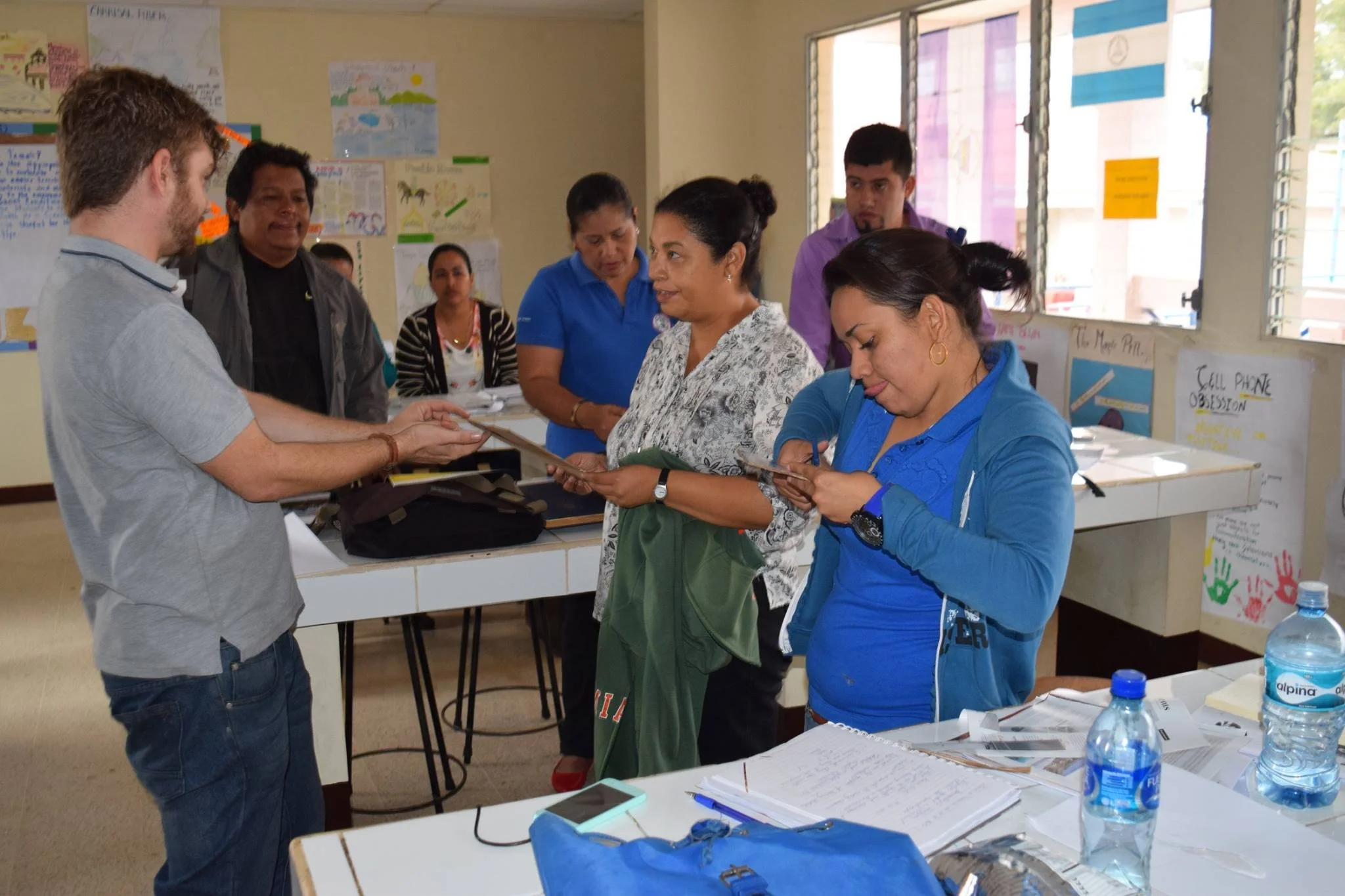
What I Do
I partner with families, homeschool pods, schools, districts, and education organizations to improve engagement, access, and outcomes for multilingual learners and neurodivergent students—particularly those impacted by poverty.
My work blends:
Evidence-based frameworks (including Self-Determination Theory)
Classroom-tested instructional practice
Systems-level analysis
Lived experience as a late-diagnosed autistic, multilingual educator
This is not performative equity work. It is practical, reflective, and grounded in real classrooms.
Services
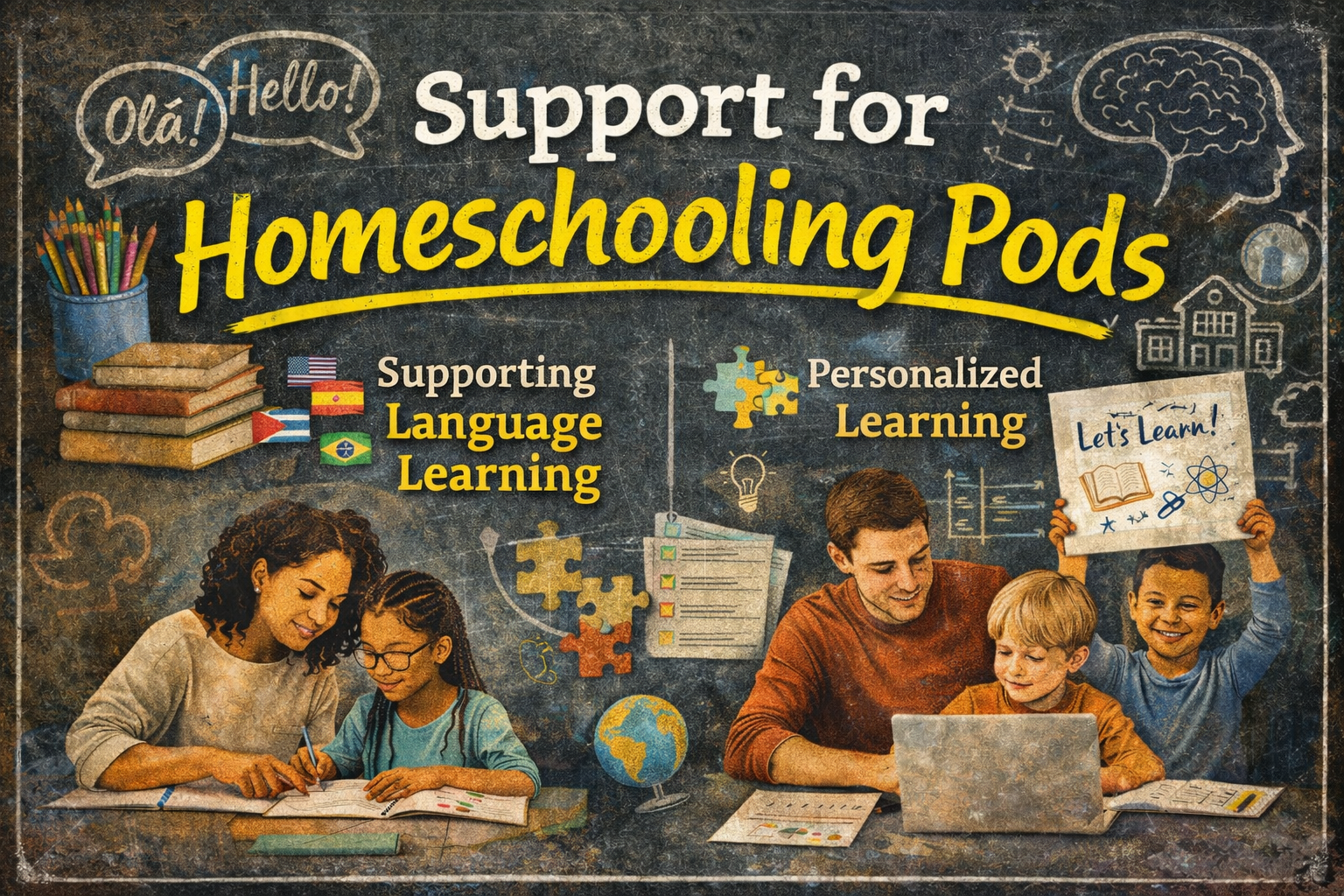
Support for Homeschooling Families
I also work with homeschooling families—particularly those supporting multilingual and neurodivergent children—who are seeking alternatives to compliance-based schooling.
Many families turn to homeschooling after realizing that traditional school systems were not designed with their children’s dignity, autonomy, or lived realities in mind. My role is not to recreate school at home, but to help families design learning environments that are humane, engaging, and sustainable.
This work may include:
Learning design consultations centered on a child’s strengths, interests, language, and support needs
Guidance on autonomy-supportive learning structures
Support for families navigating neurodivergence and multilingualism outside of traditional school settings
Rethinking “rigor,” motivation, and progress without relying on punishment or compliance
This work is grounded in research-informed frameworks such as Self-Determination Theory, as well as lived experience as an autistic, multilingual educator.
Important note:
I do not provide therapy, evaluations, or daily curriculum planning. My role is to support thoughtful design, reflection, and decision-making—not to replace teachers or caregivers.
If you’re interested in exploring whether this support is a good fit, I welcome a conversation.
Professional Learning & Training
Interactive sessions for teachers, instructional coaches, and administrators.
Common topics include:
Engagement beyond compliance for multilingual learners
Supporting neurodivergent students without lowering expectations
Autonomy-supportive instruction in high-poverty contexts
Rethinking “rigor,” behavior, and motivation
Asset-based approaches to multilingualism and disability
Formats:
Virtual or in-person
Half-day or full-day
Series-based learning experiences
Consulting & Coaching
Ongoing support for schools and teams ready to move from theory to practice.
Includes:
Classroom and curriculum audits
ESOL / multilingual program review
Coaching for teachers or departments
Leadership reflection sessions
Let’s Talk
If you’re interested in working together, reach out to discuss goals, context, and fit.